is beautiful alone and glorious when seen in a community of peers’. (Friedrich Froebel)
Friedrich Froebel (1782-1852) was a pioneer of early childhood education and care, and founder of the kindergarten movement. Froebel’s work changed our thinking about early childhood. The principles of his work have become part of modern early years educational practice.
Froebelian principles inform our practice and pedagogy.
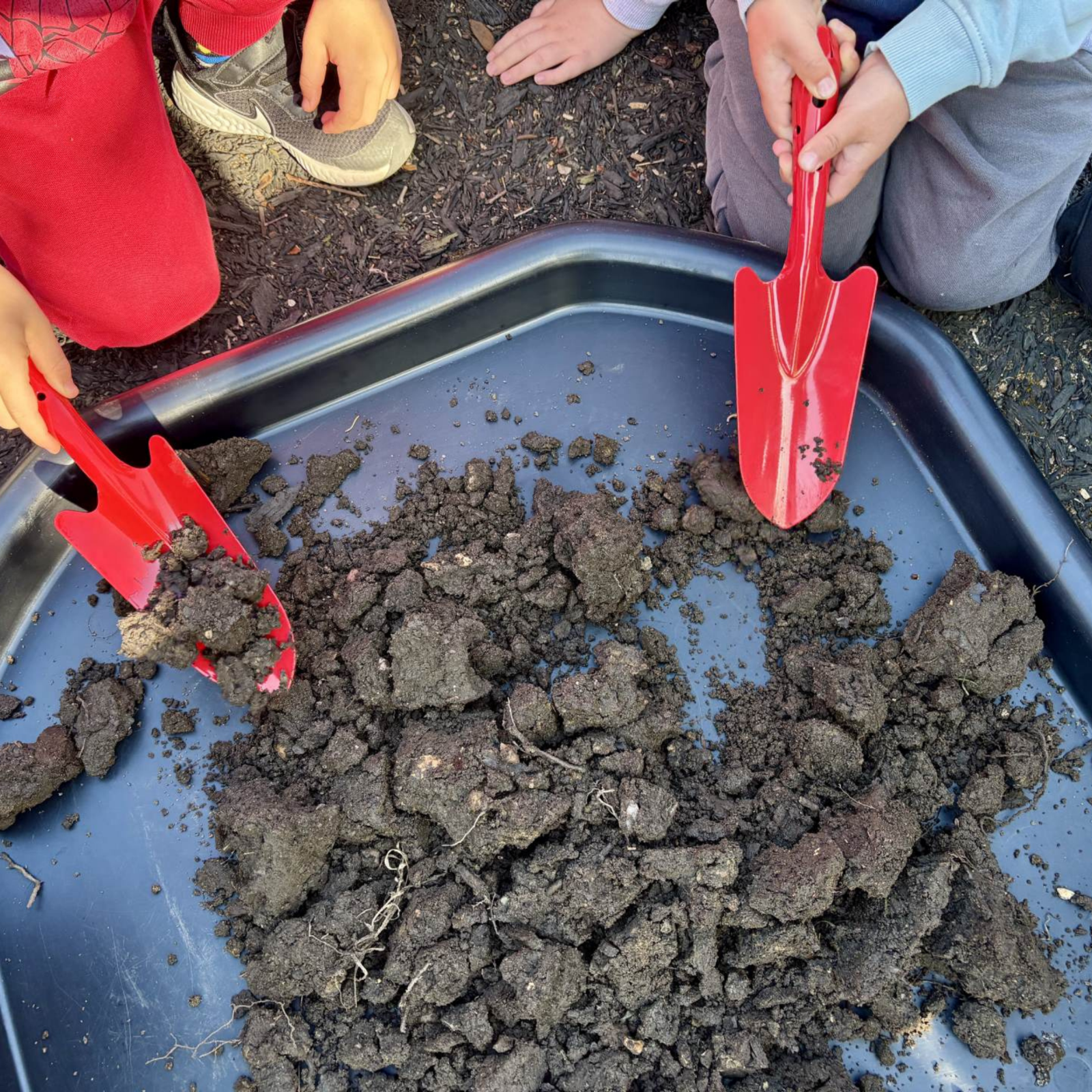
An important part of our curriculum is offering children first-hand experiences. We are particularly proud of the cookery opportunities that we offer at Ludwick. Please watch ourLet’s Cook! filmto find out more about cooking at Ludwick:
Our intent is to provide a rich and engaging early years curriculum that is personalised to the needs and interests of our children. Rooted in the pedagogy of play and first-hand experiences and influenced by Froebelian principles; our curriculum is delivered through adult and child-initiated learning experiences, with a focus on developing communication and language skills; positive relationships; key learning dispositions and embedding core knowledge and skills that lay firm foundations for future learning. Our curriculum, takes into account, the varying needs and abilities of individual children and is tailored to the child’s developmental needs.
Our school vision of ‘Nurturing Individuals; Growing the Community’acknowledges the significance of the school and families working in partnership, and the importance of all children experiencing a high-quality nursery education and the positive impact that this has on later life.
The school’s values ofrespect,trust,courageandkindnessare at the core of our pedagogy and practice.
We have developed the following ambitions, which are unique to Ludwick:
Communication
Community
Creativity
Challenge
Our curriculum ambitions are unique to Ludwick Nursery School, they were written as part of our curriculum development inset day with the staff team and have developed throughout the year.
They reflect the unique character of our provision, the needs of our children and are underpinned by Froebelian principles which help shape our pedagogy.
We have written the core skills that children will develop and learn over time. We acknowledge that learning is holistic, so different areas naturally overlap and flow into one another.
Curriculum ambition
Core Skills
Community
To feel settled at Nursery, have a sense of belonging and connection to the community.
Separates happily from their parent or carer
Develops positive relationships and a sense of belonging with staff and peers
Feels settled at nursery with a sense of belonging and connection to the community
Has a positive sense of self, talks about people and experiences that are important to them
Begins to develop an understanding of similarities and differences
Confident to navigate relationships and routines
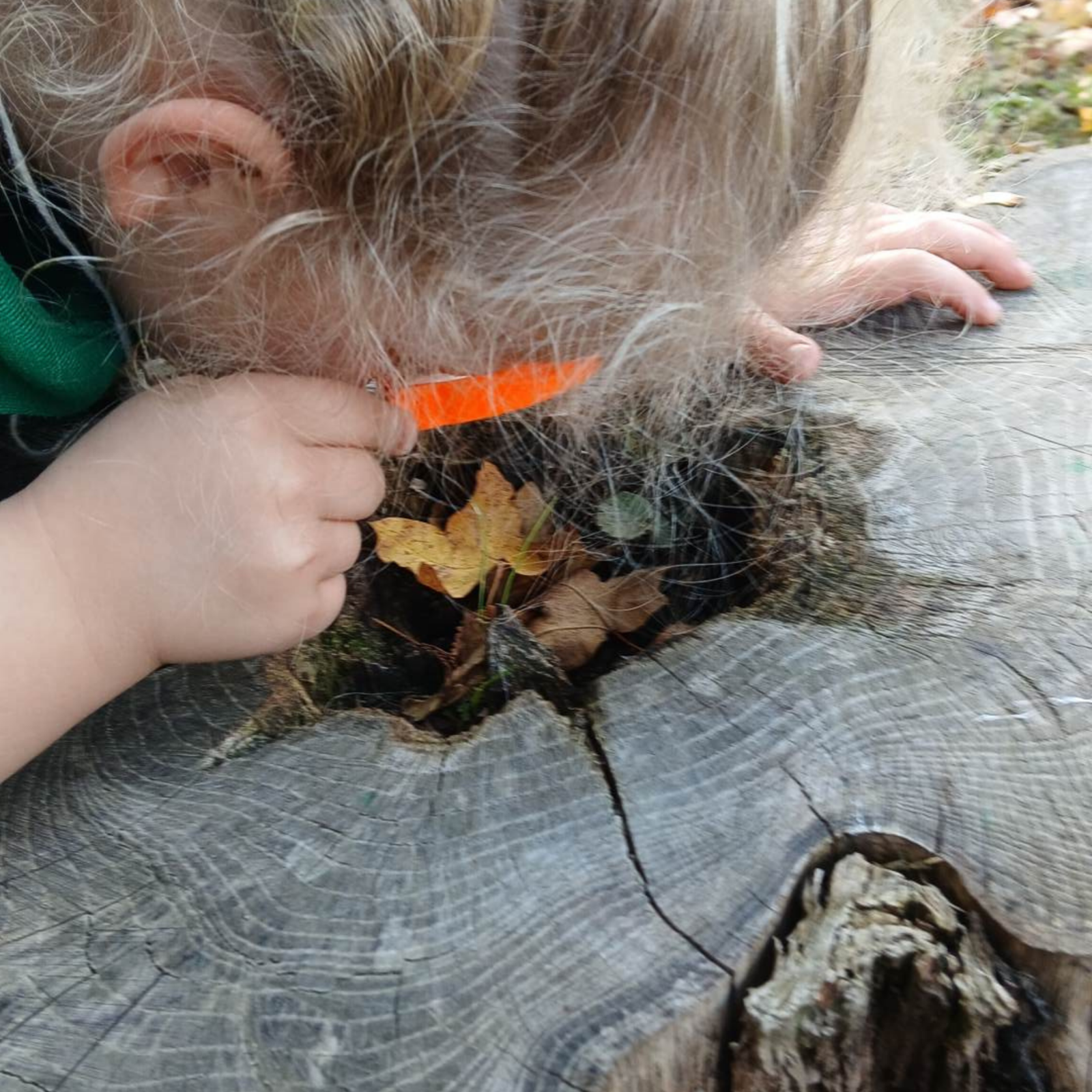
To develop an interest in, and care for, the natural world
Looks around with interest within the natural environment
Explores and engages with new and familiar experiences in the world around them
Talks about things they have observed, beginning to comment on similarities, difference and change
Communication
To lay the foundations to become an effective communicator
Communicates wants, interests and feelings and engages in meaningful interaction
Beginning to join words to talk about people, experiences, wants /needs and communicate with peers
Develops listening and attention skills in a range of contexts
Confidently uses a developing vocabulary within meaningful contexts
Communication
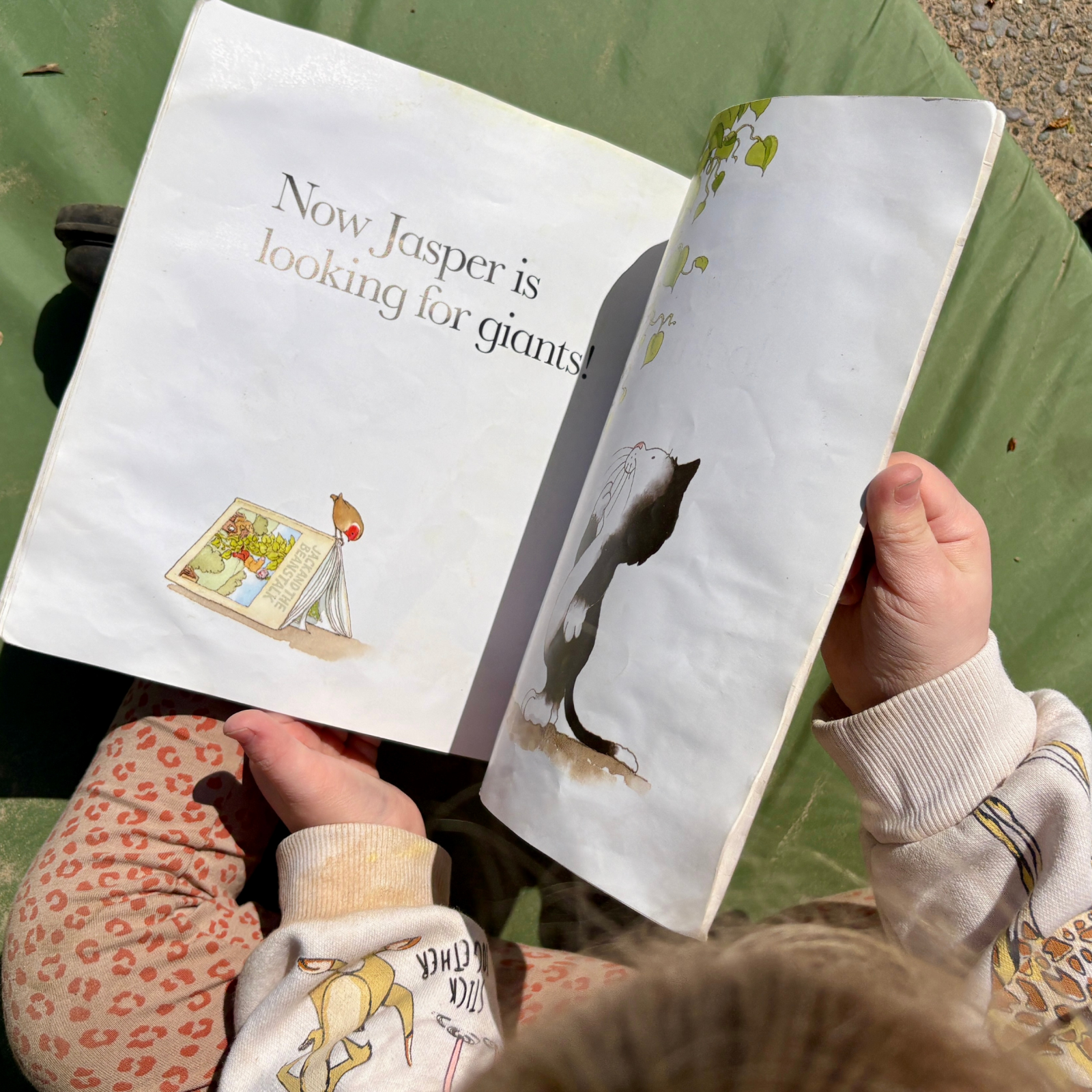
Enjoy familiar songs, rhymes and stories.
Responds to favourite rhymes and songs
Enjoys listening to nursery rhymes and simple stories
Joins in with known rhymes and stories
Uses familiar stories in play
Challenge
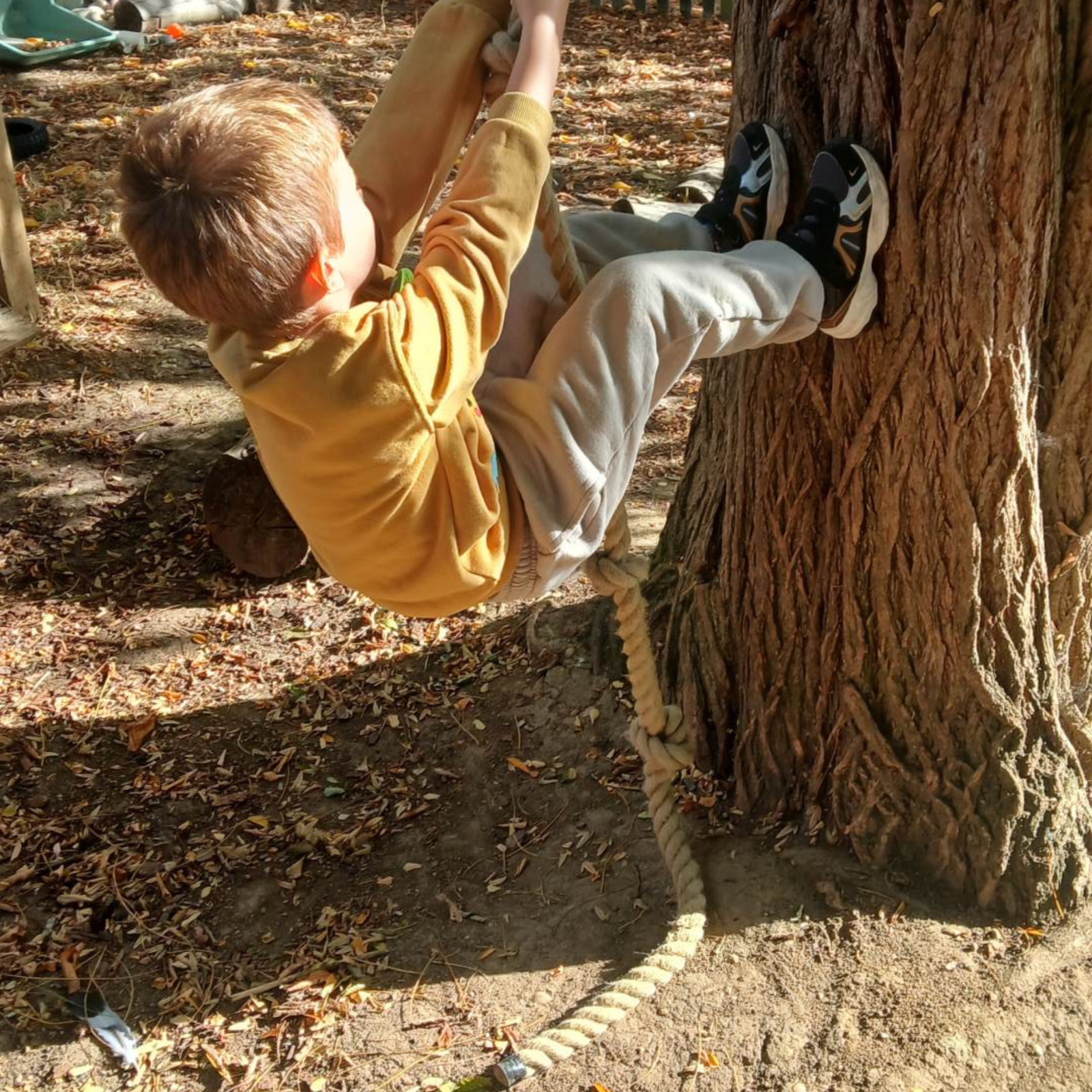
To develop body awareness, confidence and co-ordination.
Uses their body to achieve goals
Recognises connection between action and outcome
Moves confidently and healthily in a range of ways
Challenges self safely and confidently assesses risk
Safely uses a wide range of tools
Embraces new experiences and perseveres in their play
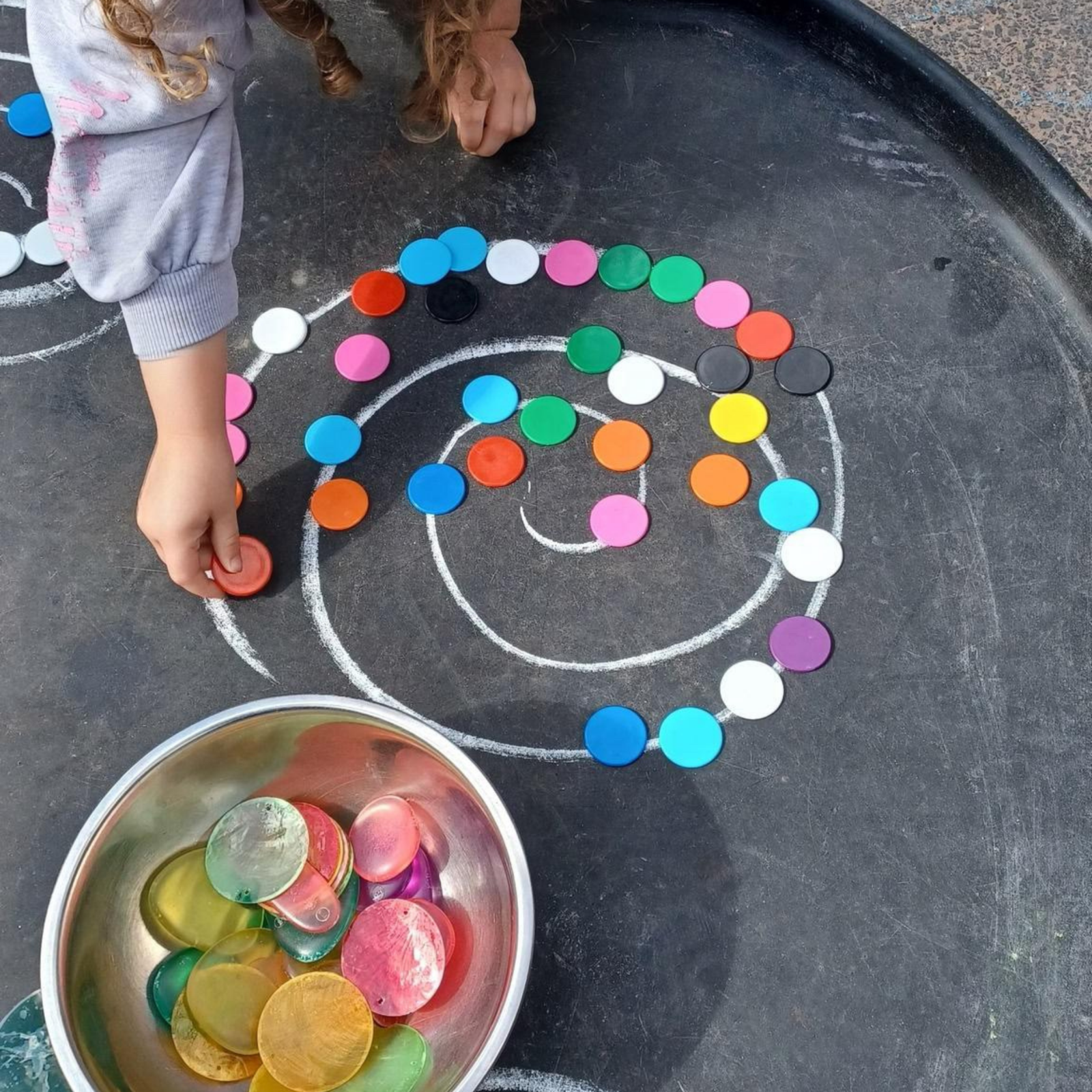
To develop good number sense to 5 and beyond
Become familiar with the sequence of numbers and be able to say or sing them in order
Through opportunities to count in different contexts, begin to say one number name for each object (one to one correspondence or ‘tagging’)
Begin to understand that the last number counted gives the total (cardinal value)
Beginning to be able to subitise (recognising small quantities without counting)
Creativity
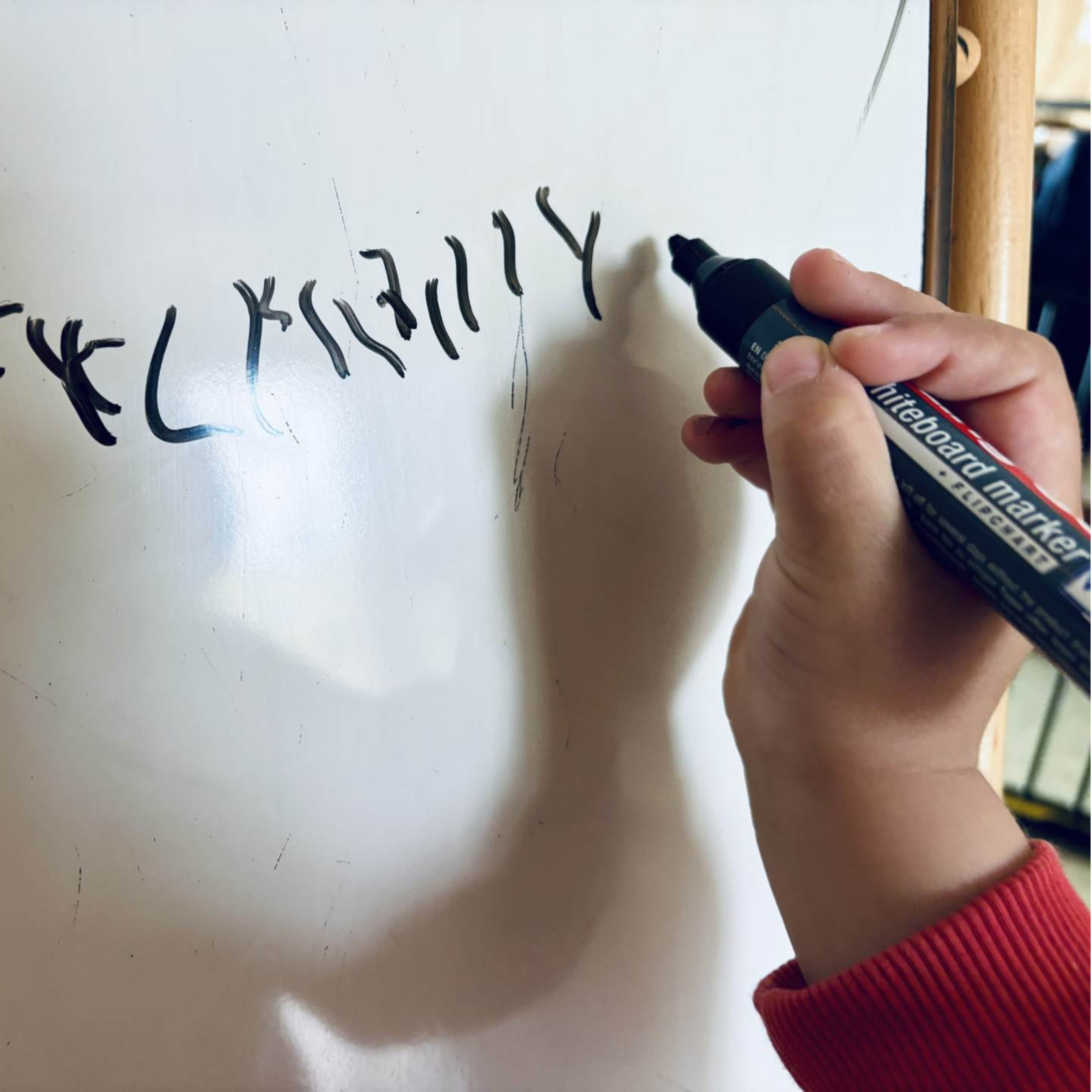
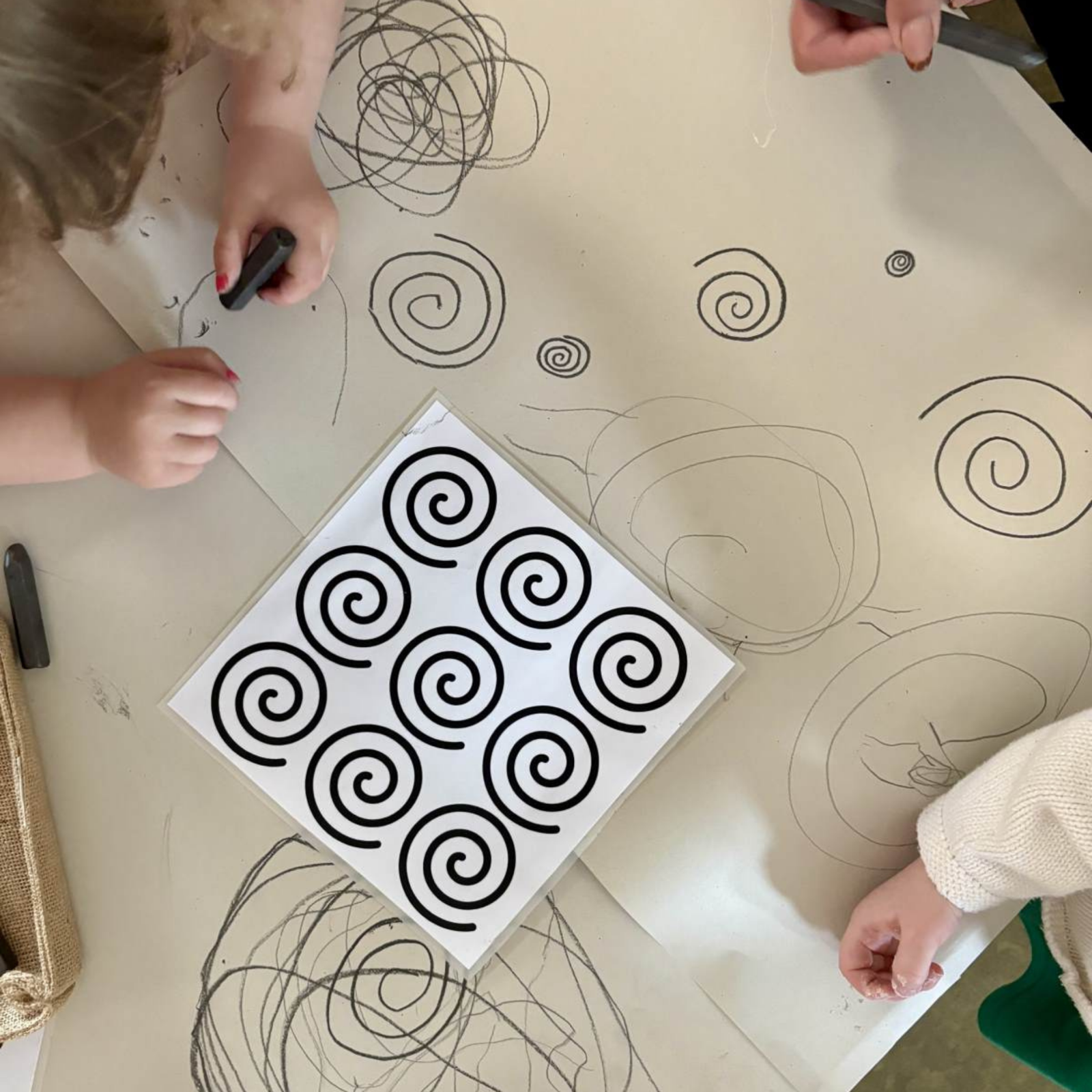
To confidently access a range of different media to represent their thoughts and ideas.
Experiments with a range of media
Shows awareness of the effect of their movements, marks or sounds
Confidently accesses a range of different media to represent thoughts and ideas
Builds constructs or compose with a purpose
Solves problems in different ways
Can plan, review and adapt to achieve a goal of building, constructing or composing
Engages in self-expression through movement, dance and drama
If you would like to find out more about our Curriculum please get in contact with any member of our Senior Leadership Team via admin@ludwick.herts.sch.uk.
Overview of the EYFS Curriculum
Our curriculum follows the Early Years Foundation Stage (EYFS) which is the statutory framework for children from birth to five in England.
The four guiding principles help to shape our approach:
every child is aunique child, who is constantly learning and can be resilient, capable, confident and self-assured
children learn to be strong and independent throughpositive relationships
children learn and develop well inenabling environments, in which their experiences respond to their individual needs and there is a strong partnership between practitioners and parents and/or carers
thelearning and developmentof each child will be different
We support the children in developing the ‘Characteristics of Effective learning’ and acknowledge these are an important part of how children play and learn.
playing and exploring– children investigate and experience things, and ‘have a go’
active learning– children concentrate and keep on trying if they encounter difficulties, and enjoy achievements
creating and thinking critically– children have and develop their own ideas, make links between ideas, and develop strategies for doing things
The EYFS covers seven different areas of learning. We believe children learn best through play, first- hand experiences and talk. Staff plan engaging activities based on the children’s developmental needs and interests. Our high quality indoor and outdoor environments support the children in all areas of learning. Planned first-hand experiences such as cookery and Forest school, also provide additional, rich learning opportunities for the children.